Isometric Elements for Business: A Visual Tool for Modern Design
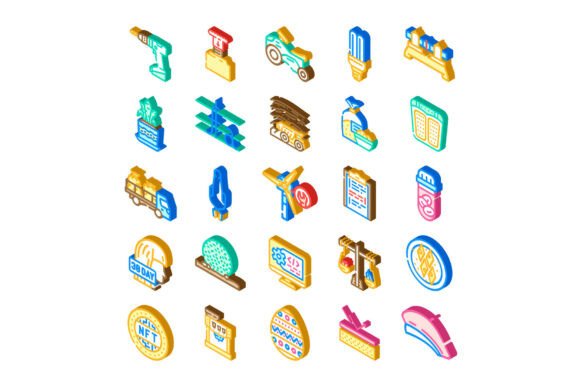
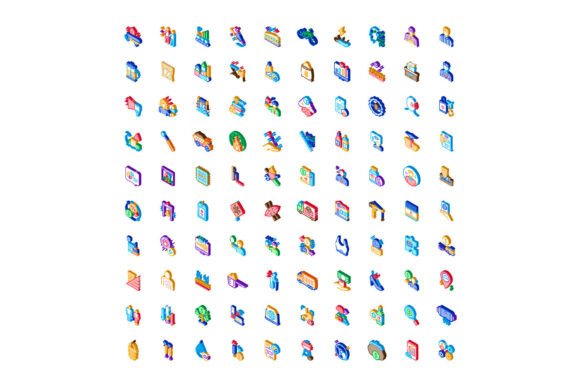
Isometric elements representing business are a collection of stylized, three-dimensional illustrations that depict various aspects of commerce, technology, finance, logistics, and social interaction. These visuals use isometric projection—a method of visually representing three-dimensional objects in two dimensions—to create depth and realism without the complexity of full 3D rendering. They are commonly used in infographics, web interfaces, and presentations to simplify complex ideas and enhance visual storytelling.
Why Isometric Business Elements Matter
Visual communication has become essential in conveying information quickly and effectively. In business contexts, where data and processes can be intricate, isometric elements provide a clean, scalable way to represent abstract or physical components. Whether illustrating a supply chain, a digital workflow, or organizational structure, these graphics offer a consistent visual language that supports comprehension and engagement.
Key Benefits of Using Isometric Elements
- Enhanced Visual Clarity: These elements simplify complex systems into digestible visuals, making them ideal for reports, dashboards, and educational materials.
- Consistent Aesthetic: Designed with uniform angles and perspectives, isometric illustrations maintain a cohesive look across different topics and platforms.
- Scalability: Vector-based formats allow for resizing without loss of quality, making them suitable for both print and digital media.
- Time Efficiency: Pre-designed elements can be quickly integrated into layouts, reducing the need for custom illustration from scratch.
Common Use Cases
Professionals across industries use isometric elements to improve visual communication. Here are some typical applications:
- Infographics: Representing data flows, business models, or market trends with clarity and visual appeal.
- Presentation Design: Enhancing slides in pitch decks, training materials, or internal reports with engaging visuals.
- Web and App Interfaces: Supporting user onboarding, feature explanations, or dashboard illustrations in a visually consistent manner.
- Educational Content: Breaking down complex business processes or financial concepts for students or professionals.
When Isometric Elements Are a Strong Fit
These visuals are particularly effective in situations where:
- Visual storytelling is key: When conveying processes, hierarchies, or abstract relationships, isometric illustrations can make intangible concepts more relatable.
- Design consistency is important: Brands or teams that maintain a specific visual identity benefit from using standardized graphic elements.
- Time and budget are limited: Custom illustrations can be costly and time-consuming; isometric elements offer a ready-made alternative that still feels tailored.
Considerations and Limitations
While isometric elements offer many benefits, they are not always the best choice for every project. Consider the following factors before deciding:
- Complexity of the subject: For highly technical or industry-specific visuals, custom illustrations may be more appropriate than generic isometric elements.
- Brand tone and audience: If your brand leans toward minimalist or flat design, isometric visuals may appear too detailed or stylized.
- Customization needs: Some projects require unique perspectives or specific iconography that pre-made isometric sets may not support.
Alternatives to Consider
If isometric illustrations don’t align with your goals, consider these alternatives:
- Flat icons: Simple, two-dimensional graphics that are easy to integrate and widely used in modern UI design.
- Line art or sketch-style illustrations: Offer a more organic, hand-drawn aesthetic that can feel approachable and creative.
- Photographic imagery: Real-world images can add authenticity and emotional impact, especially for marketing or storytelling content.
- 3D renderings: For high-fidelity visuals that require realism, such as product showcases or architectural visualizations.
How to Choose the Right Visual Style
Selecting the right visual approach depends on several factors. Consider the following questions to guide your decision:
- What is the primary goal of the visual? Is it to explain, persuade, or decorate?
- Who is the target audience? Technical professionals may prefer simplicity, while general audiences may respond better to detailed visuals.
- What is the brand’s visual identity? Ensure the chosen style aligns with existing design guidelines and tone.
- What resources are available? Evaluate time, budget, and team capabilities for customization and integration.
Practical Insights for Implementation
When incorporating isometric elements into your design workflow, consider the following best practices:
- Use a consistent color palette: Align the colors of your isometric visuals with your brand guidelines to maintain visual harmony.
- Balance detail and simplicity: Avoid overcrowding visuals with too many elements; focus on clarity and readability.
- Optimize for different platforms: Ensure visuals scale well on both mobile and desktop interfaces, and adapt to print formats if needed.
- Combine with other design elements: Pair isometric graphics with icons, charts, or text to create a layered and engaging layout.
Final Thoughts
Isometric elements representing business are a powerful tool for visual communication, offering clarity, consistency, and scalability across a range of applications. Whether used in presentations, infographics, or digital interfaces, they help translate complex ideas into engaging visuals. However, their effectiveness depends on the context, audience, and design goals. By evaluating your specific needs and considering alternatives when appropriate, you can determine whether isometric elements are the right fit for your project.
As visual content continues to play a central role in business communication, choosing the right style becomes increasingly important. Isometric illustrations offer a balanced approach—detailed enough to convey depth and meaning, yet flexible enough to integrate into a wide range of design environments. When used thoughtfully, they can enhance both the aesthetic and functional value of your content.